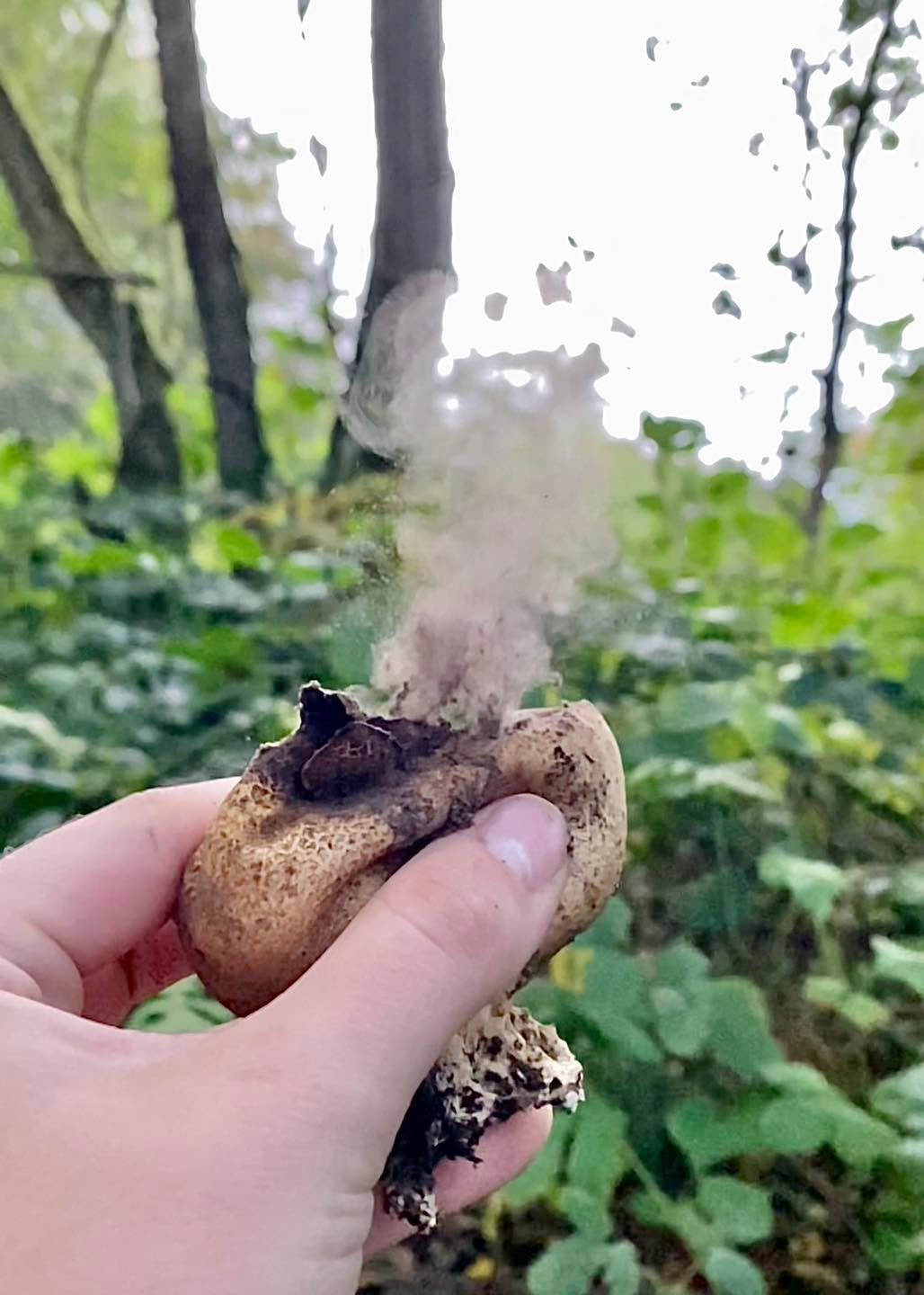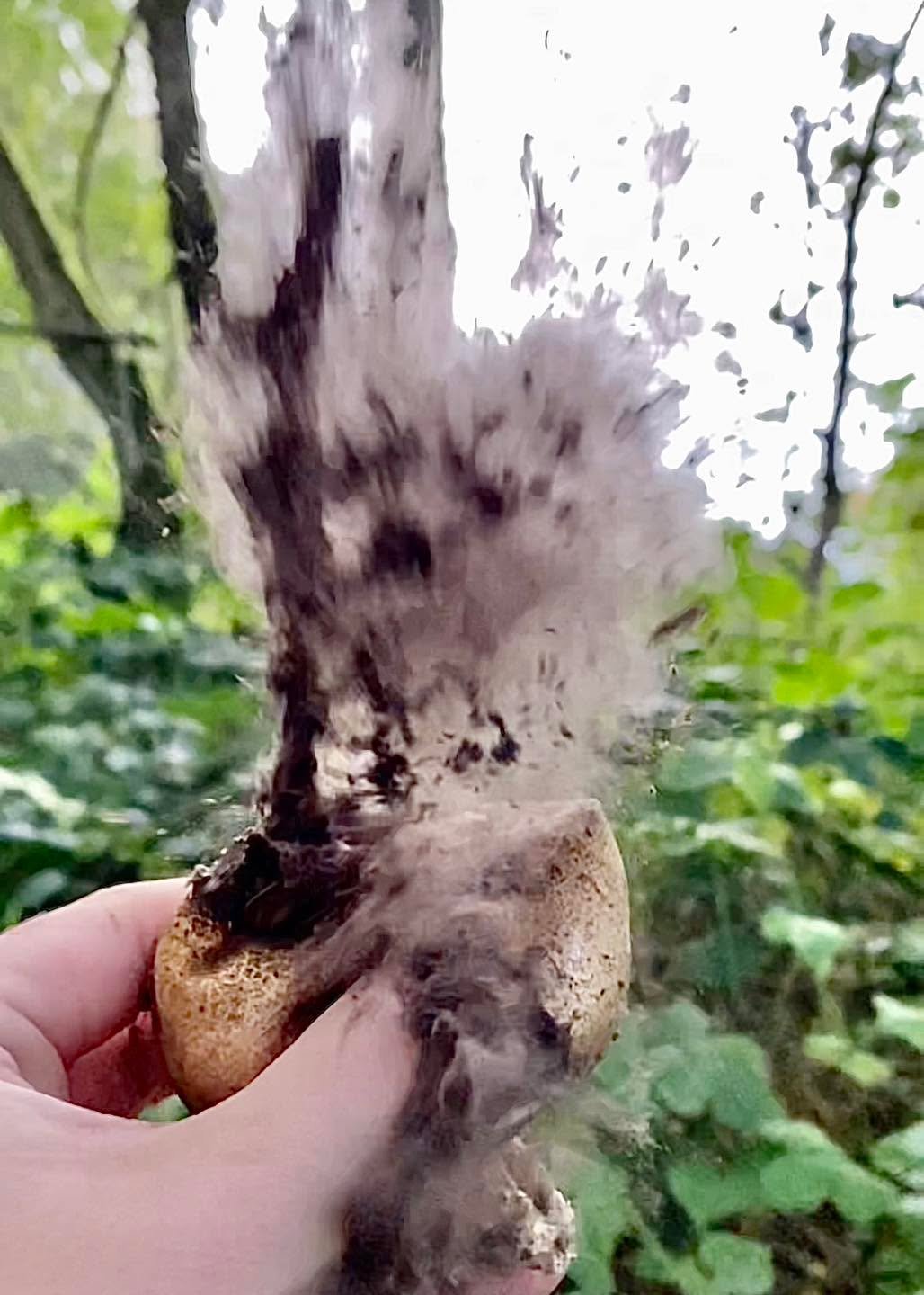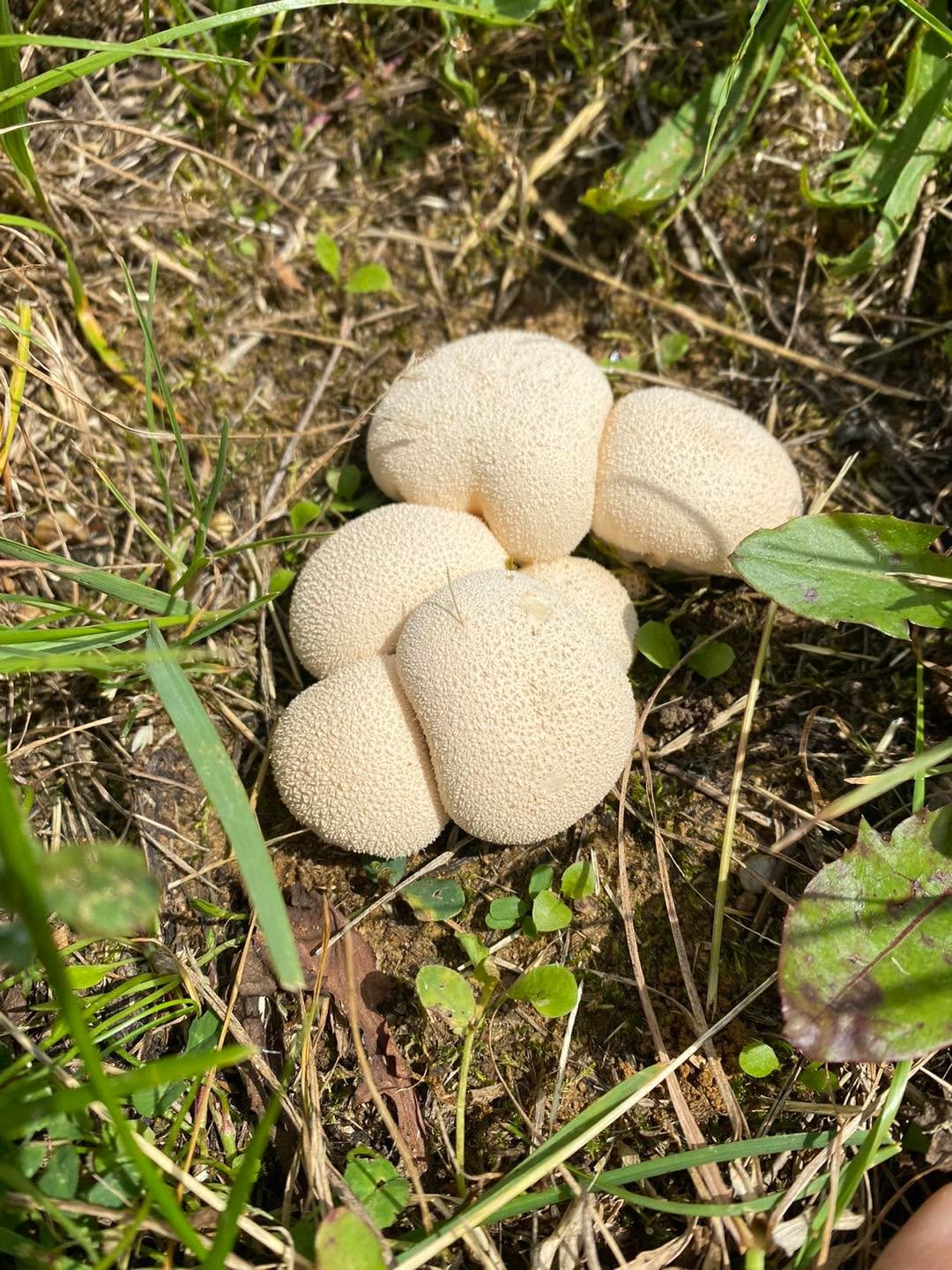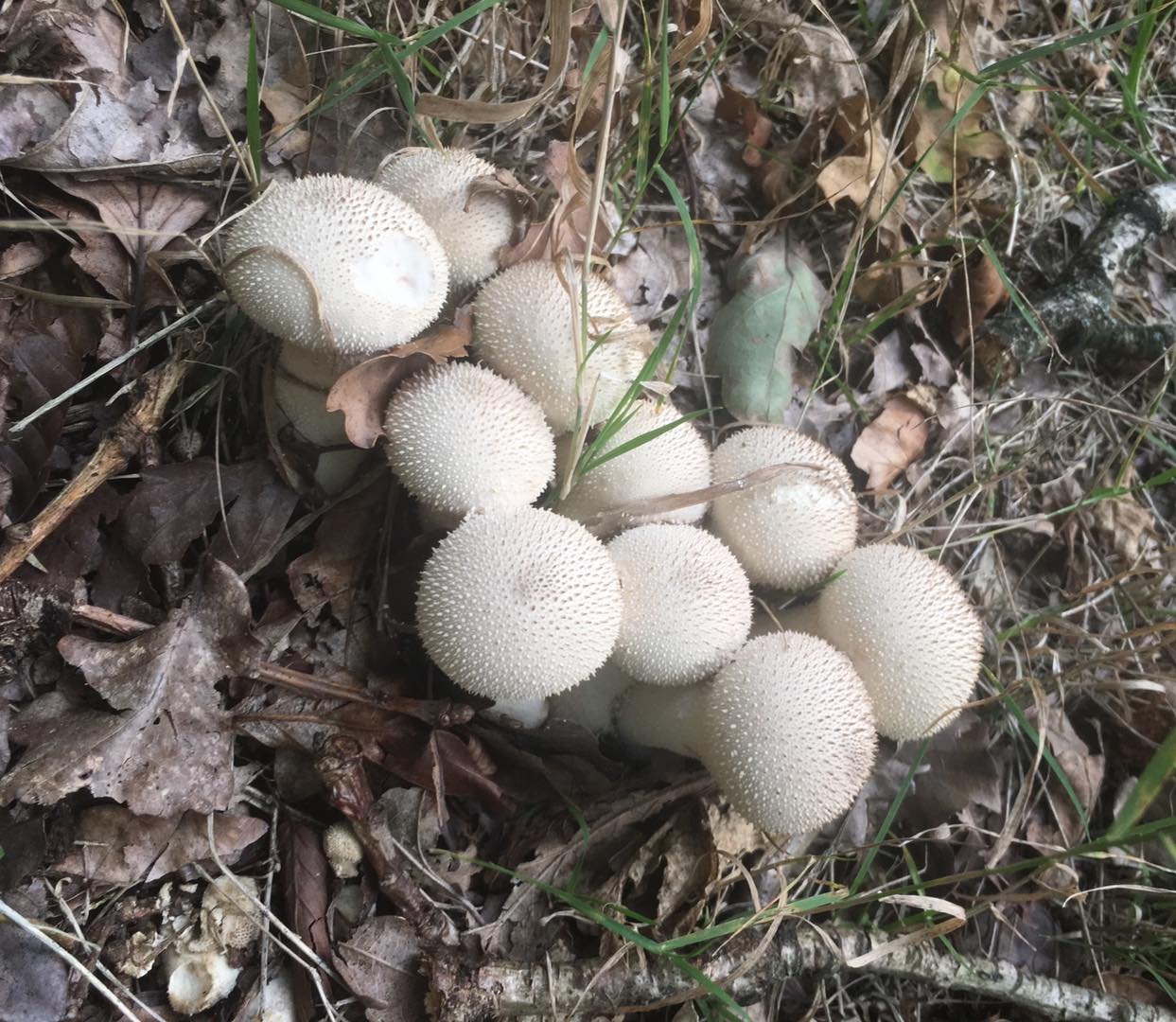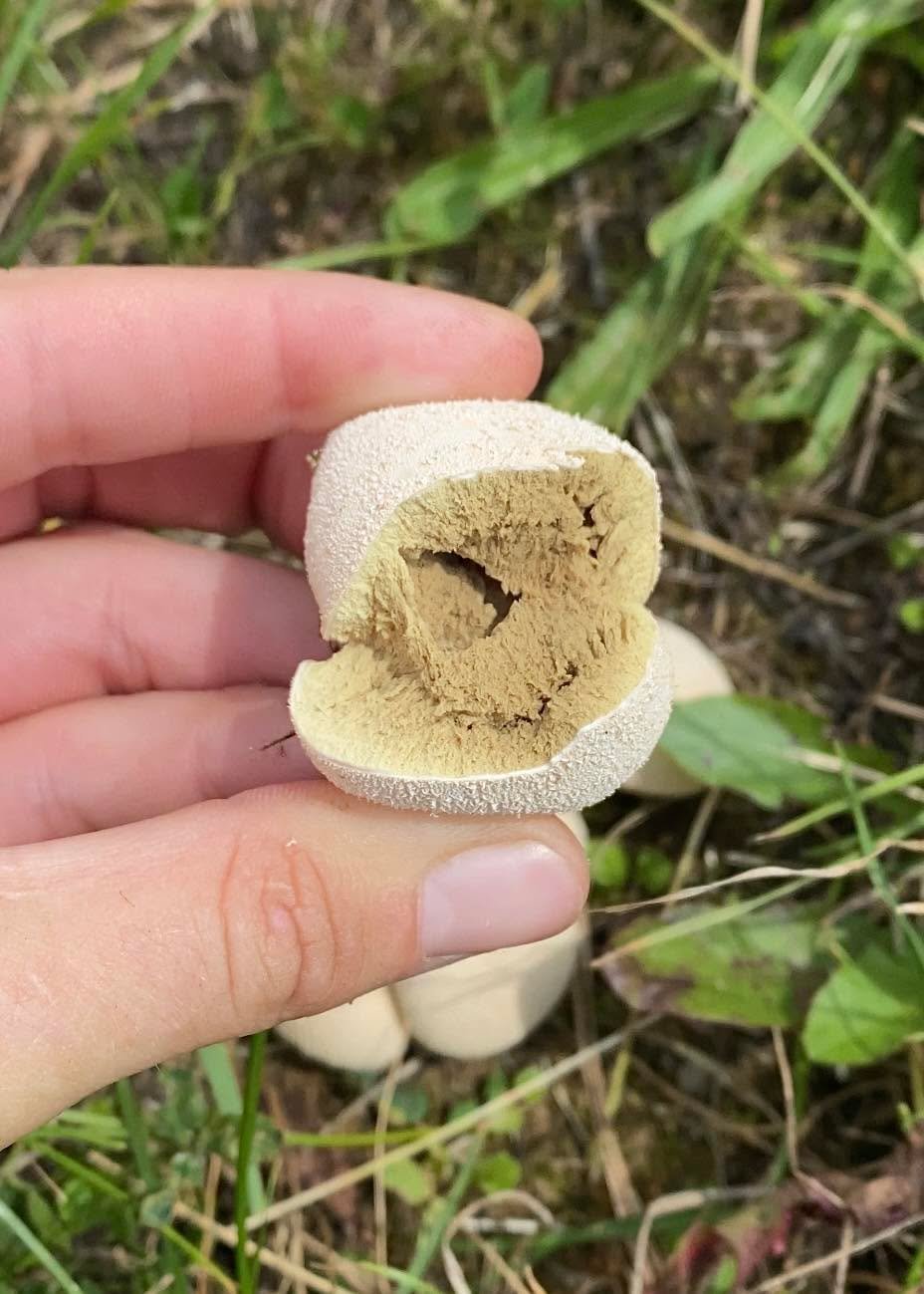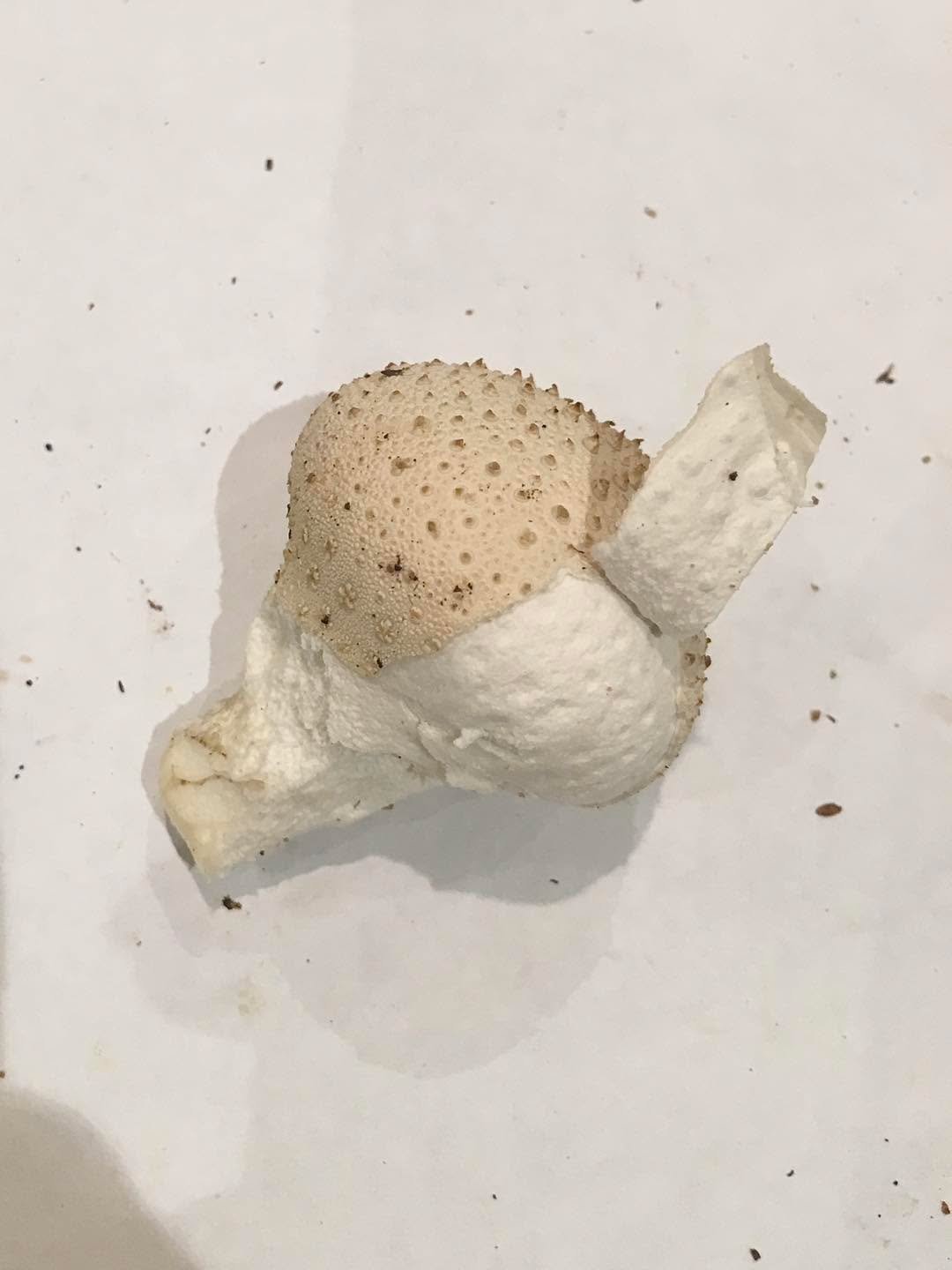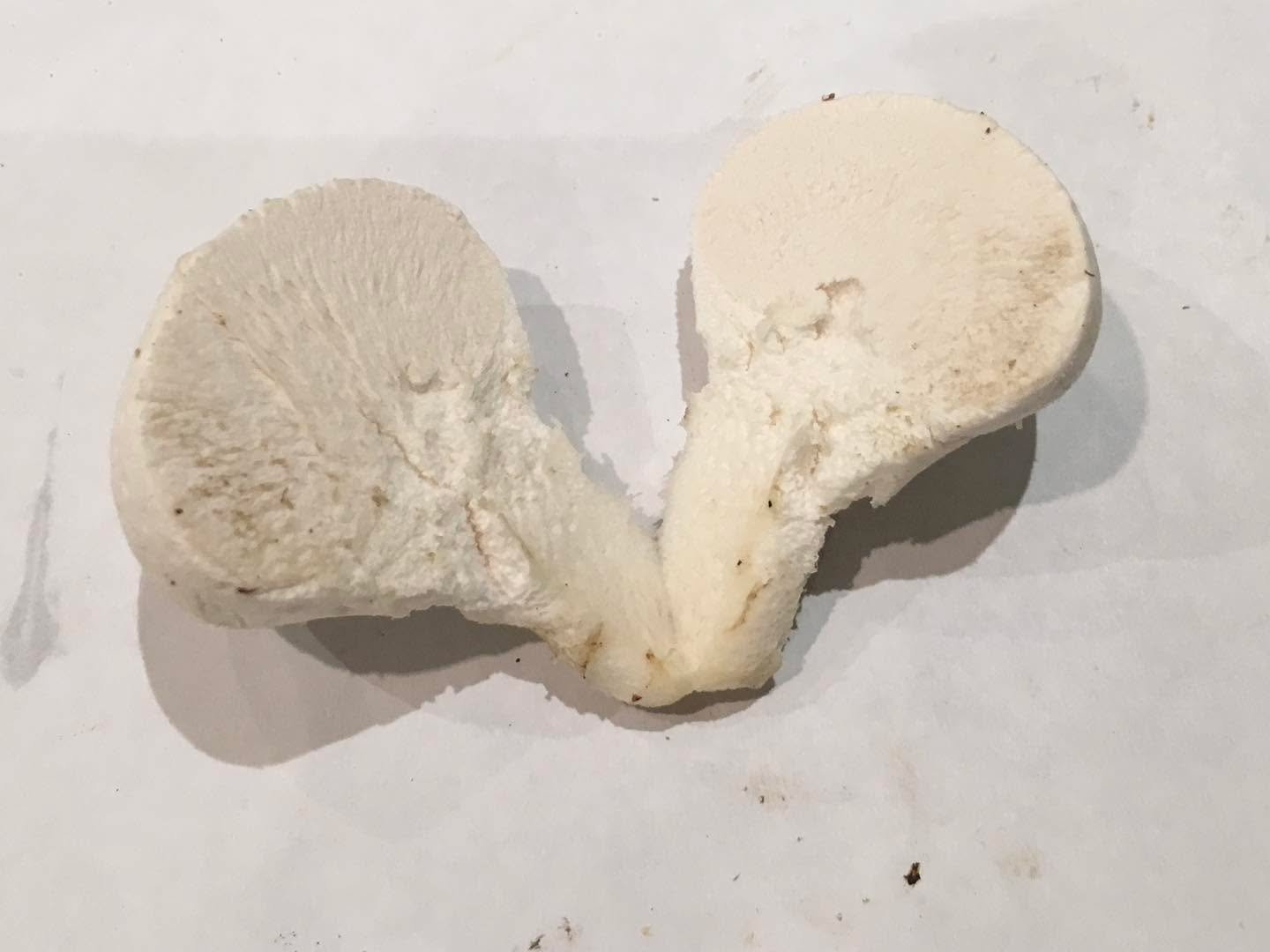
What these genus’ have in common is that they do not have gills or pores, and the spores instead are contained within their ball like shape (the gleba). When mature they’ll break open at the top to puff out an immense amount of spores. Great fun to help out with as you’ll see in my pics of the scleroderma. Just be careful not to inhale lots of spores - this can cause a respiratory condition called Lycoperdosis.
Earthballs - Scleroderma species
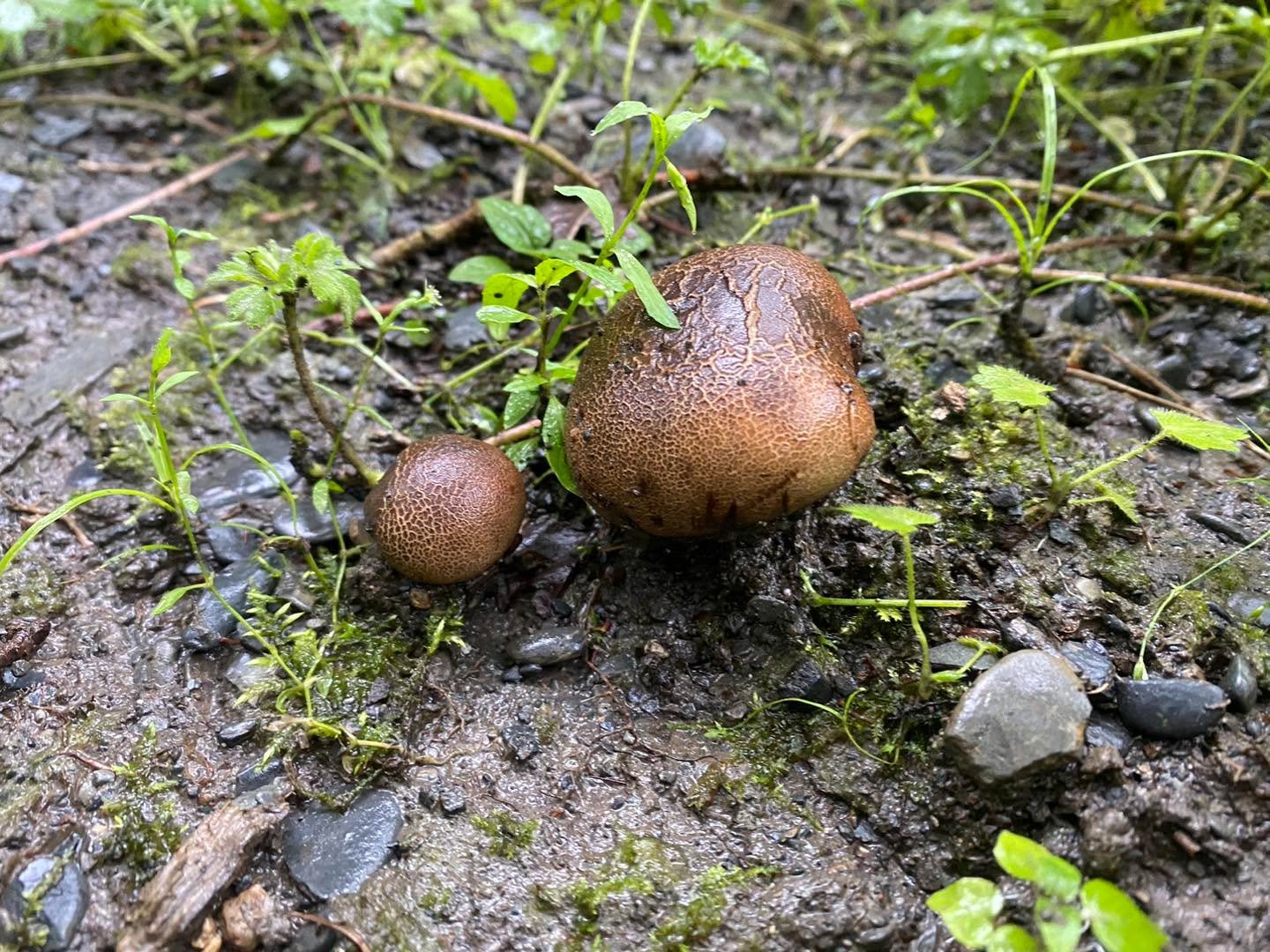
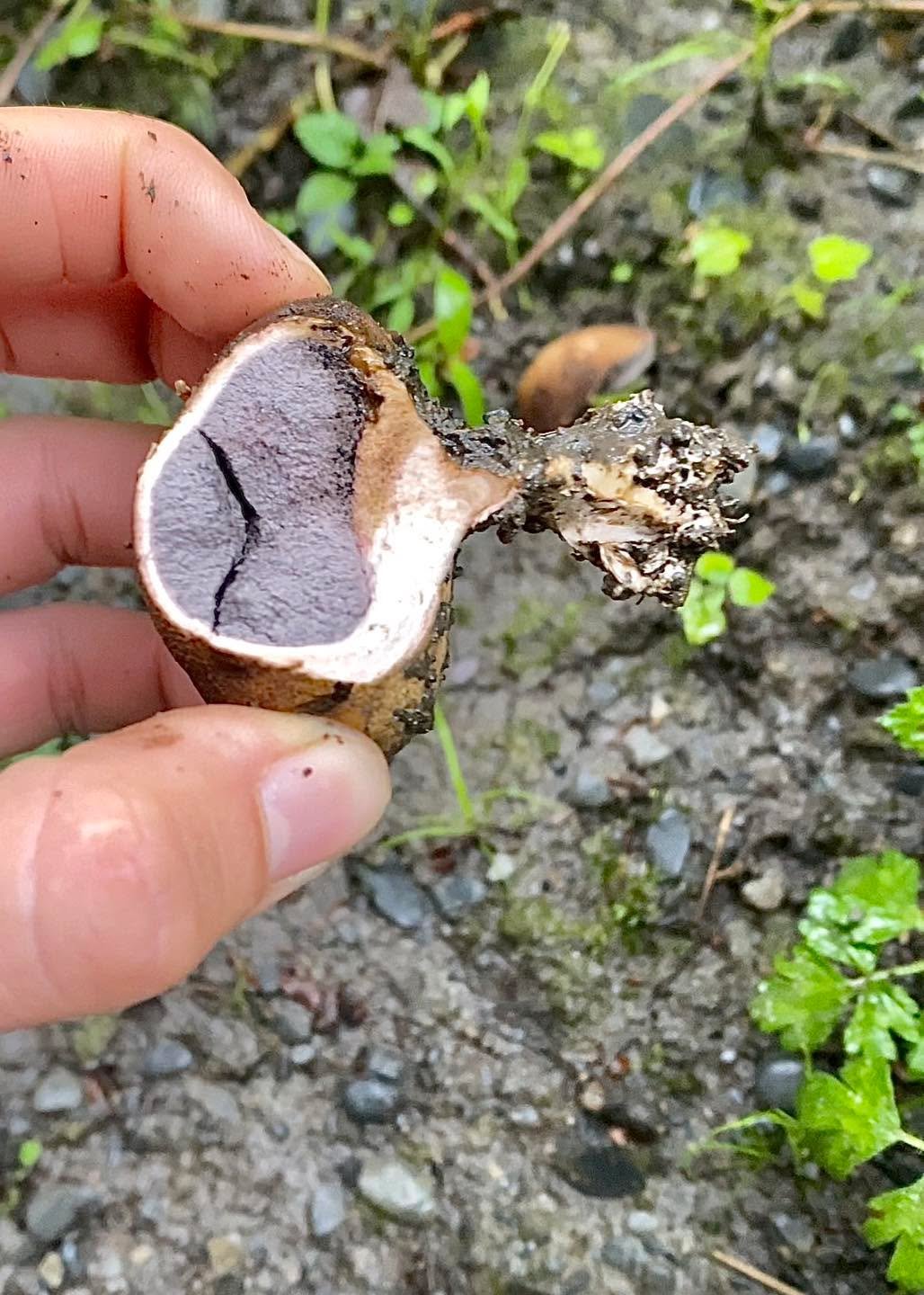
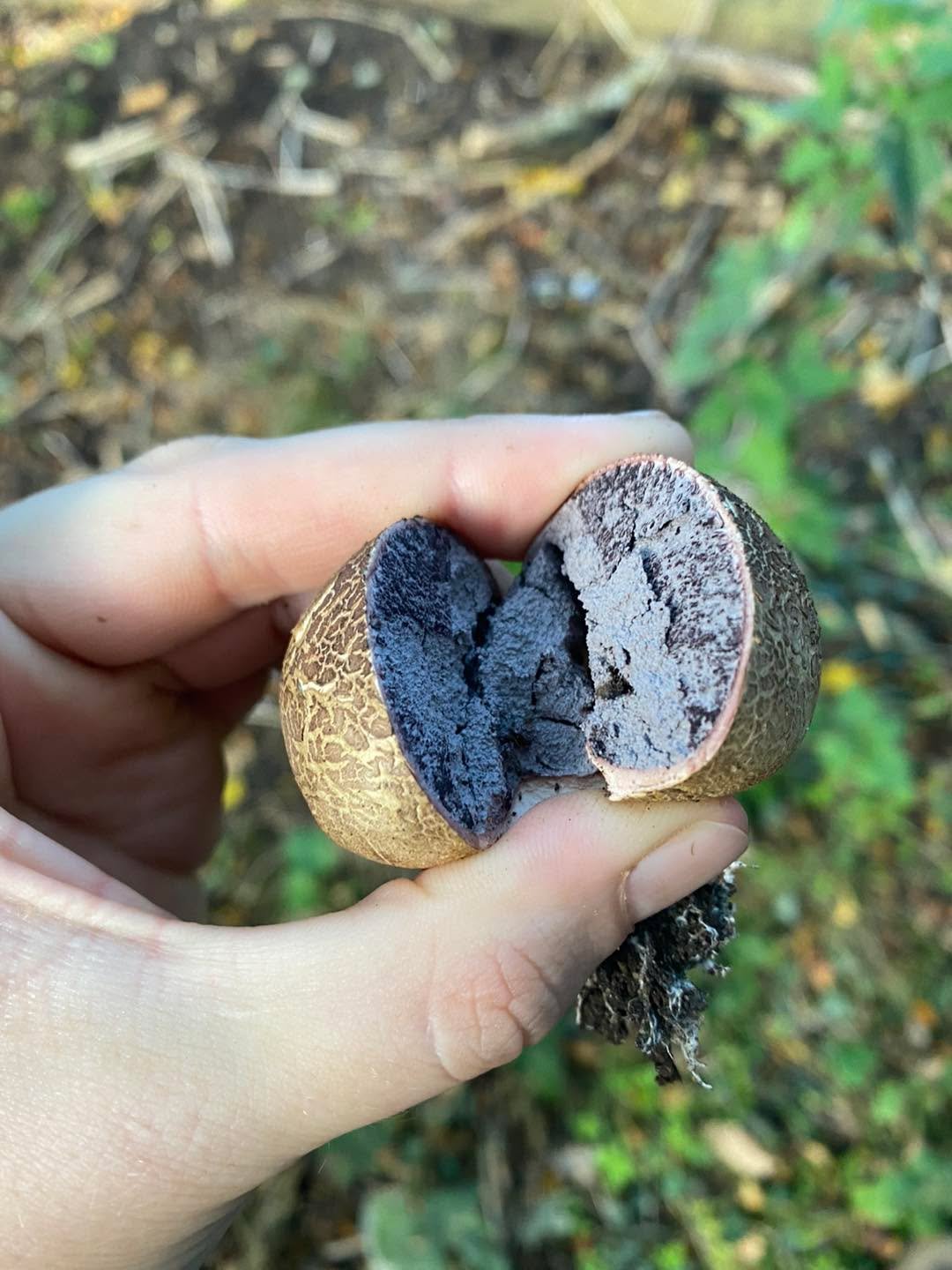
These are the toxic balls of the fungi world, and they are filled with dark spores, tough skinned, dense, brown, and leathery compared the the puffballs. Even when young, upon cutting, the spores inside are always dark (some may mistake these for a black truffle)! My pics show S citrinum (common earthball), and then the much darker S verrucosum (scaly earthball). Scleroderma species are not edible, and are toxic. The genus name refers to the thick leathery like skin, similar to the medical condition 😅
Puffballs - Lycoperdon species
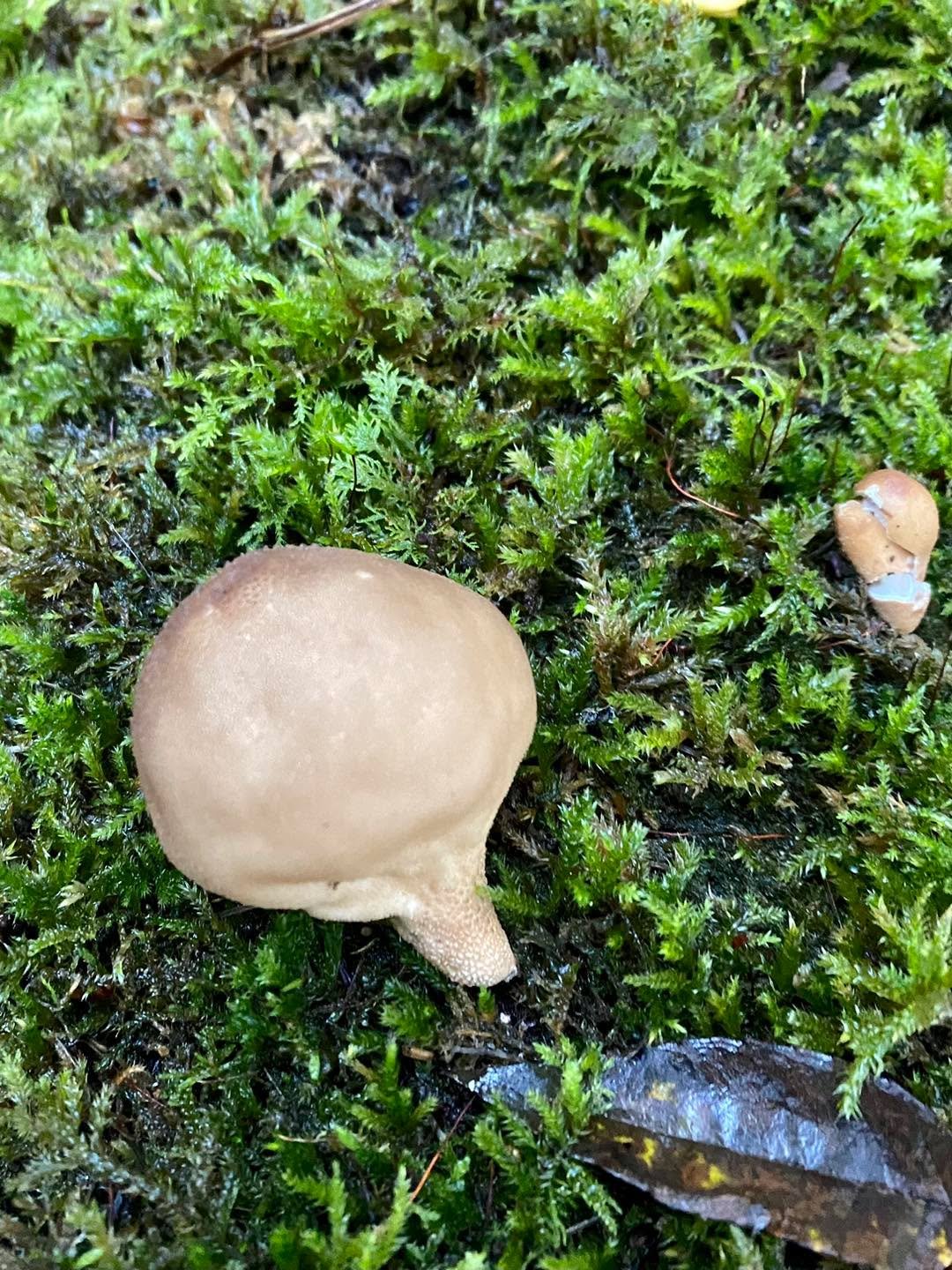
These are the cute, paler, and more marshmallowy textured ball fungi. Lycoperdon perlatum (Common puffball) is the most common, and you’ll see it growing in a variety of places - this is what I have pictured in groups. It’s covered in tiny spikes! Other species like L pyriforme (stump puffball - the beige one pictured on moss), and L excipuliforme (pestle puffball - larger with a longer stipe), amongst others, are common to find. The key feature the lycoperdon share, is that they have a thin skin (unlike the leathery scleroderma), and inside when young they are pure white like a marshmallow. This is the time when they are also edible. As they mature, they will start to yellow as the spores develop. They are no longer edible at this point.
Any other formation inside (E.g. gills or stipe) and you’ve not got a puffball - you may have a Phallus or Amanita egg.
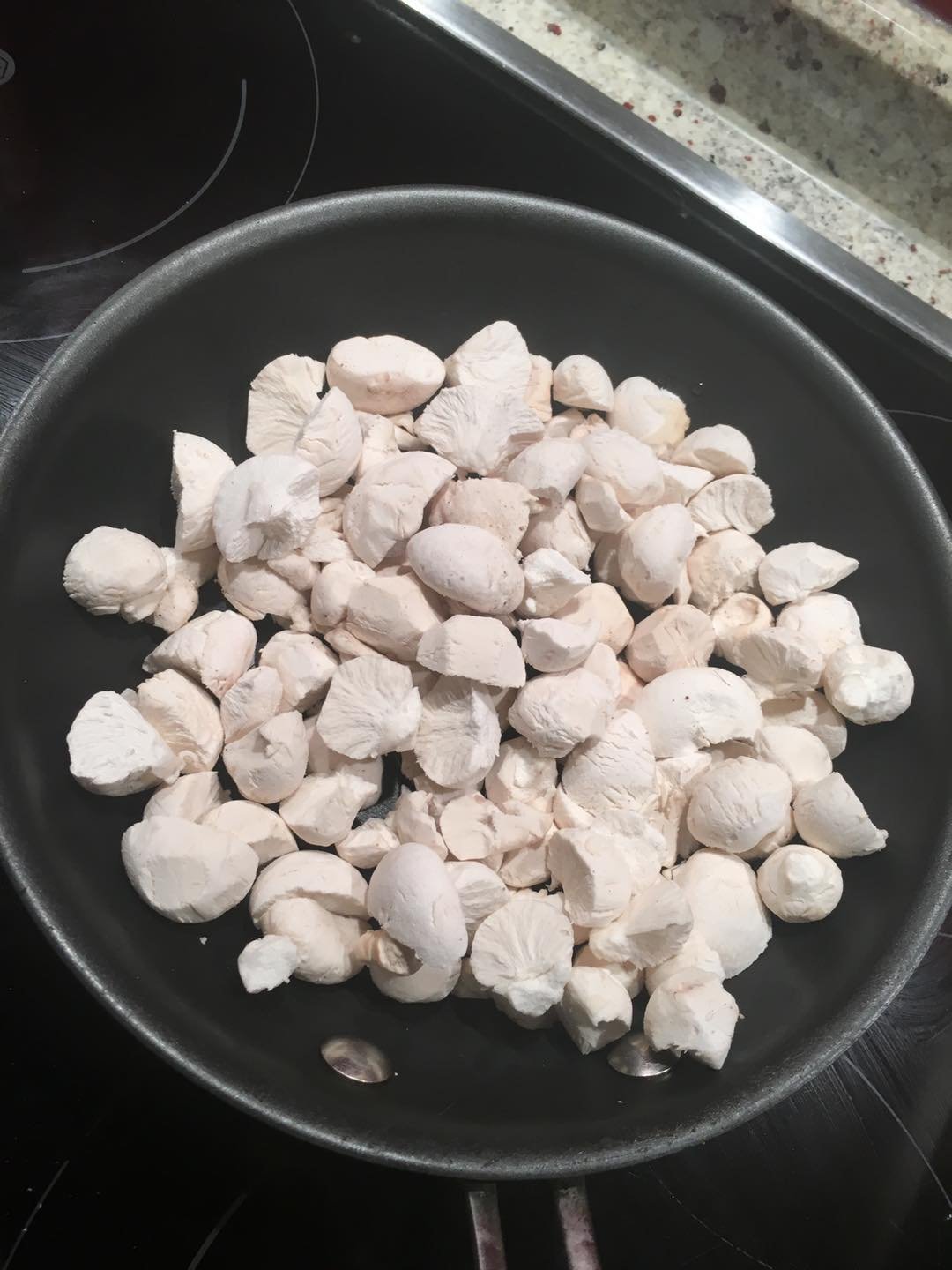
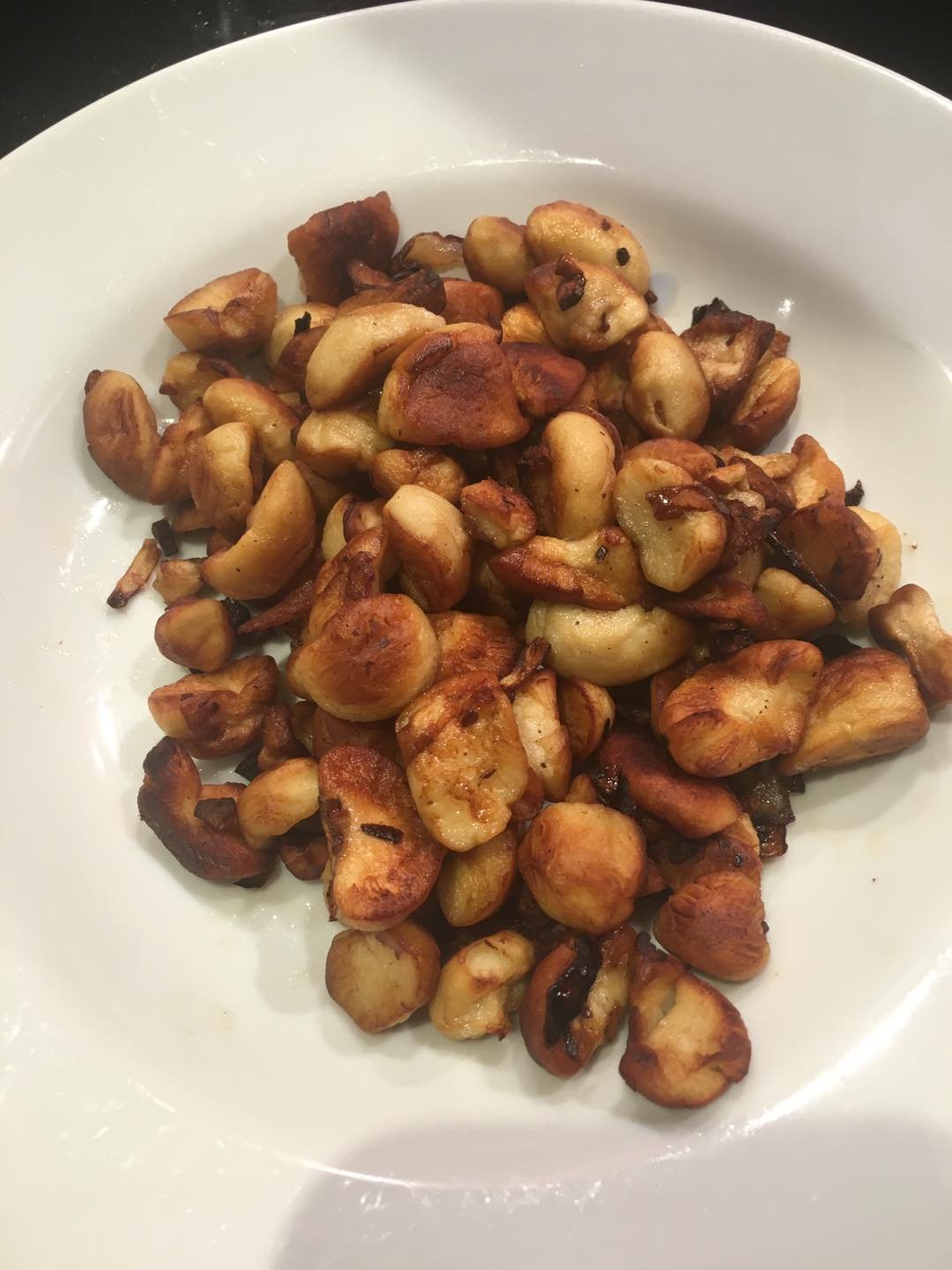
Lycoperdon edibility wise don’t really have much flavour but can be nice in a mix or as a carrier of flavour. Some people say the skin can cause stomach issues so peel it, however this takes forever - I’ve personally never had an issue when I have left it on but it’s always best to be cautious with new mushrooms. These are generally very easy to ID so make a good starter mushroom. I’ve included some pics of them peeled and cooked up!
Giant puffballs - Calvatia gigantea
These are the big boys of the puffball world. You’ll find them scattered around fields, and nothing compares in size to them - often like a football. This makes them even easier to ID - giant, white, and with smooth skin (I’m afraid I’ve somehow never taken photos of any I’ve found!). Just like lycoperdon sp these are edible and make a good flavour carrier. I’ve heard of them being used as pizza bases! Sadly every one I’ve come across has matured to yellow spores - like lycoperdon they must be pure white, with a texture like styrofoam. When I was a kid I used to kick the mature balls around, helping spread those spores 🙂 these can contain trillions of spores!!